
He's coming home
The Odyssey

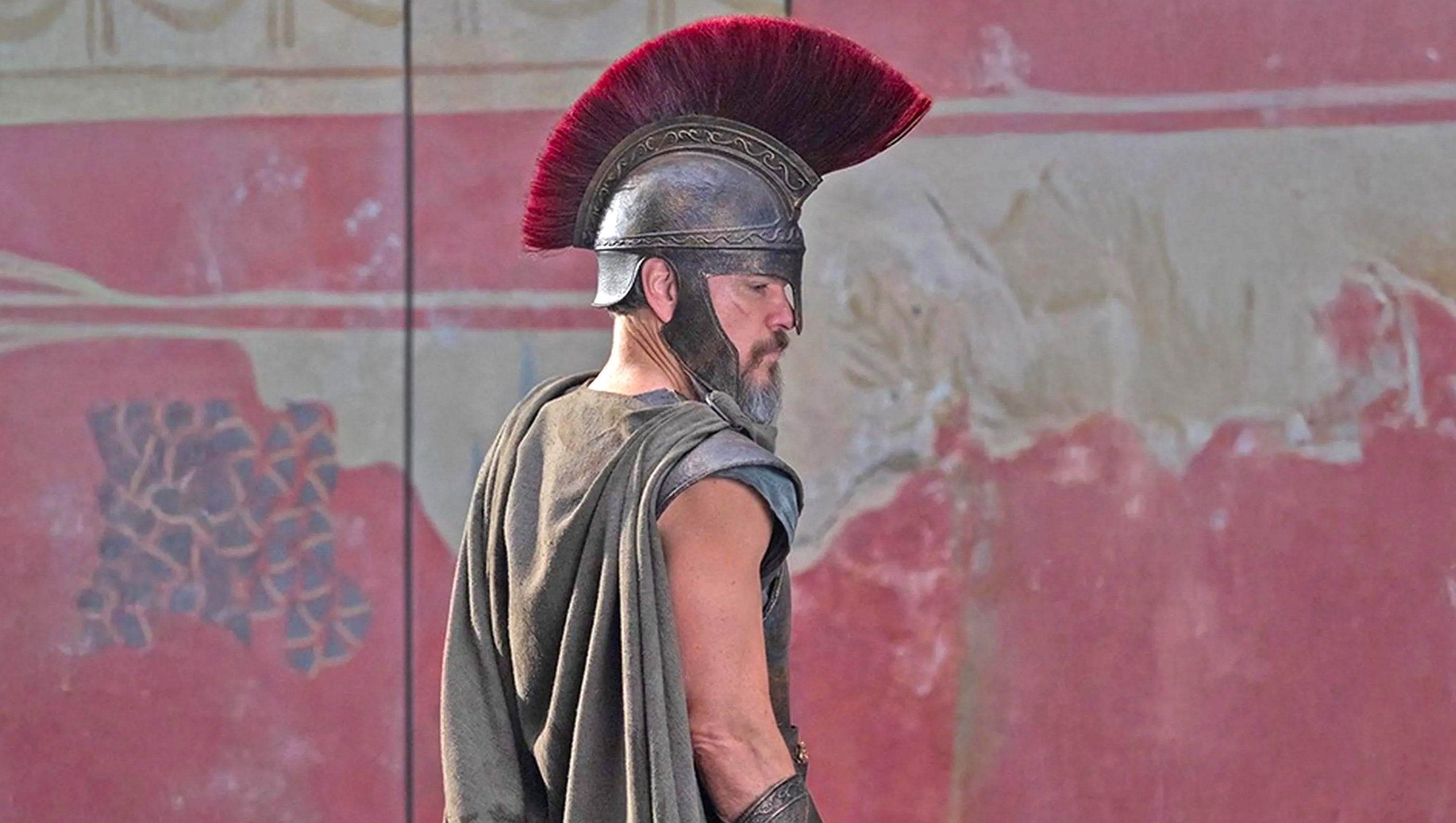
We’ve reached the midpoint of the year, and the most anticipated film of 2026 has arrived. A year to the day since purchasing the ticket, I sat down Friday evening at the BFI IMAX to watch The Odyssey. The noise around this movie couldn’t be louder, nor the expectation greater. Christopher Nolan’s follow-up to Oppenheimer. The culmination of IMAX’s canny partnership with key filmmakers to embed their brand and format into event cinema. Plus manufactured outrage from the usual internet ghouls. (Not to dwell on this bad-faith fringe, but if you’re imagining the heroes of the Iliad as anything other than good-looking guys with great bone structure like Elliot Page then I can’t help you.) The film that emerges from all this is very good but not perfect, a new benchmark sword and sandals epic with a complete and compelling read on its source material.
To get some Nolan baggage out of the way, my 14-year-old self still hasn’t recovered from seeing The Dark Knight, which even all these years later no subsequent cinema trip has bettered. On the other hand, one of my more tedious but firmly held film opinions is that Oppenheimer is both a towering achievement and a moral failure. Not because Christopher Nolan has yet to meet a female character he couldn’t underwrite (though that doesn’t help), but because of its final swerve. Rather than hold the tension of Robert Oppenheimer as an ambitious, self-serving, but ultimately necessary catalyst among a swirling vipers’ nest of similarly compromised men, the film capitulates to its subject, and gives him the walk-off, mic-drop final word, artificially raised above the patchwork of cowardice and small cruelties that came before. The Odyssey treads similar ground: a wartime genius now horrified at the destruction unleashed by their creation, but this time the pathos feels earned rather than injected, hard-won over the long journey home. Outside this, there’s plenty of baked-in crossover with previous films: characters being anchored by a physical totem, an absent father’s return, and taking advantage of someone with memory loss. It’s an out-and-out Nolan movie, and all the better for it.
The Odyssey is a story of gods and monsters, law and desire, guest rights and appetites, as the horrifying violence of the Trojan War follows Odysseus (Matt Damon) home to Ithaca. The strength of these overriding themes prevents the narrative fragmenting into disparate episodes, weaving together multiple strands of story and memory, recrossing the same ground over multiple partial retellings. Likewise, the parallel journeys of Odysseus, Penelope (Anne Hathaway) and Telemachus (Tom Holland) are held together by a shared pool of supporting characters, even when separated across time and space: loyal retainer Eumaeus (John Leguizamo), recurring antagonist Antinous (Robert Pattinson), and (less successfully) Spartan prince Menelaus (Jon Bernthal). Filming on location pays off, and the ancient world emerges in vivid colour, a welcome departure from the brown sludge that mars contemporary blockbusters. The beach at Troy and the palace on Ithaca are highlights, but mythical spaces are rendered with the same clarity: Hades is real, and perfectly realised. The landscape shapes the action, and the material reality of ancient warfare reads as lived experience rather than floating fantasy, whether running across sand, scrambling over rocky, uneven terrain, or struggling in the shallows to push a boat out to sea. The creature design is excellent, especially the Cyclops – even if 28 Years Later has conditioned me to expect (want?) full-frontal nudity from movie monsters. The brief foray into body horror is also effective: those still getting over the traumatising pig transformation in Spirited Away should take care. Nolan successfully builds tension across such a well-known story: the appalling reality of soldiers crammed into a confined spaces for days makes even the Trojan Horse gambit feel perilous, and thanks to the startling ferocity of Lupita Nyong’o’s Clytemnestra (spoiler?) the murder of Agamemnon (Benny Safdie) still startled me. Most satisfying of all is how the film pays off the story’s central enigma, the reason for Odysseus’s delay going home, even if this final, spectacular return to the fall of Troy goes a step too far in closing the loop on Zendaya’s Athena.
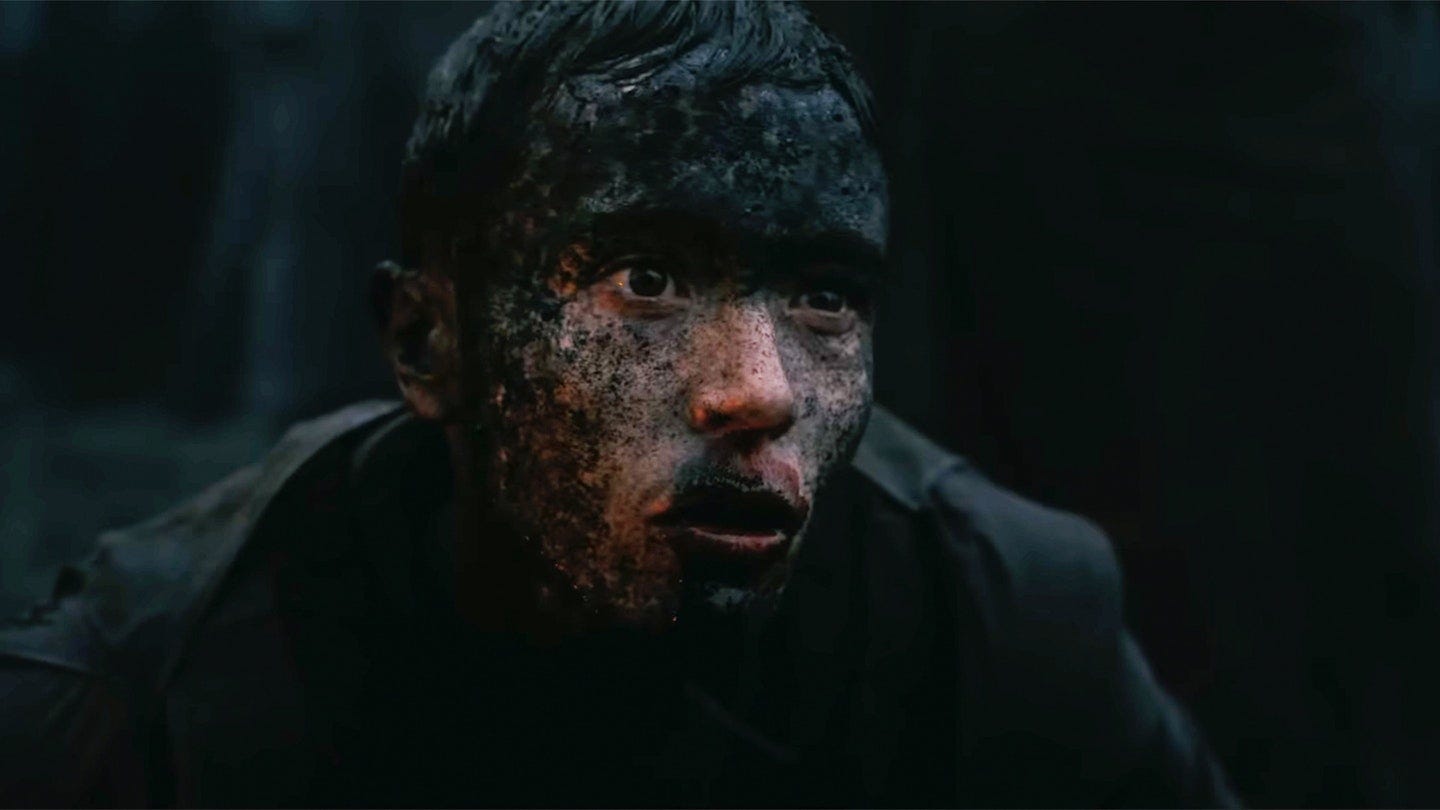
Not everything works. Having Odysseus voice Bronze Age fin de siècle anxieties strikes an off note, and his prediction these stories will survive by oral tradition feels too on the nose. Some of the action is messy, especially the awkward integration of Telemachus into the final confrontation with the suitors. Tom Holland clears the low bar set by Paul Mescal in Gladiator II (where it was unclear whether he had ever run before, much less held a sword), but never fully blends into this world. Lupita Nyong’o feels short-changed as Helen of Troy, but this seems a deliberate decentring of the character, rebalanced for this version of the story. The overall achievement of the film withstands these minor gripes.
If anything, the film becomes a victim of its own success, outstanding parts outshining the whole: the Trojans discovering a wooden horse on the beach, Odysseus tied to the mast of his ship, and his reunion with Sinon (Elliot Page). These feel like definitive renderings, so even as Christopher Nolan manages to wrap his arms around this foundational epic, the film overall cannot match these high-water marks. No matter. The opening title card ushers in “a time of apparent magic,” and it is in these standout moments that the magic is most evident. The Odyssey is justifiably the cinematic achievement of the year so far. When will the movies feel like this again? See you on Arrakis.
Follow me on Letterboxd